About SPIDER FOR SERVO COUPLINGS
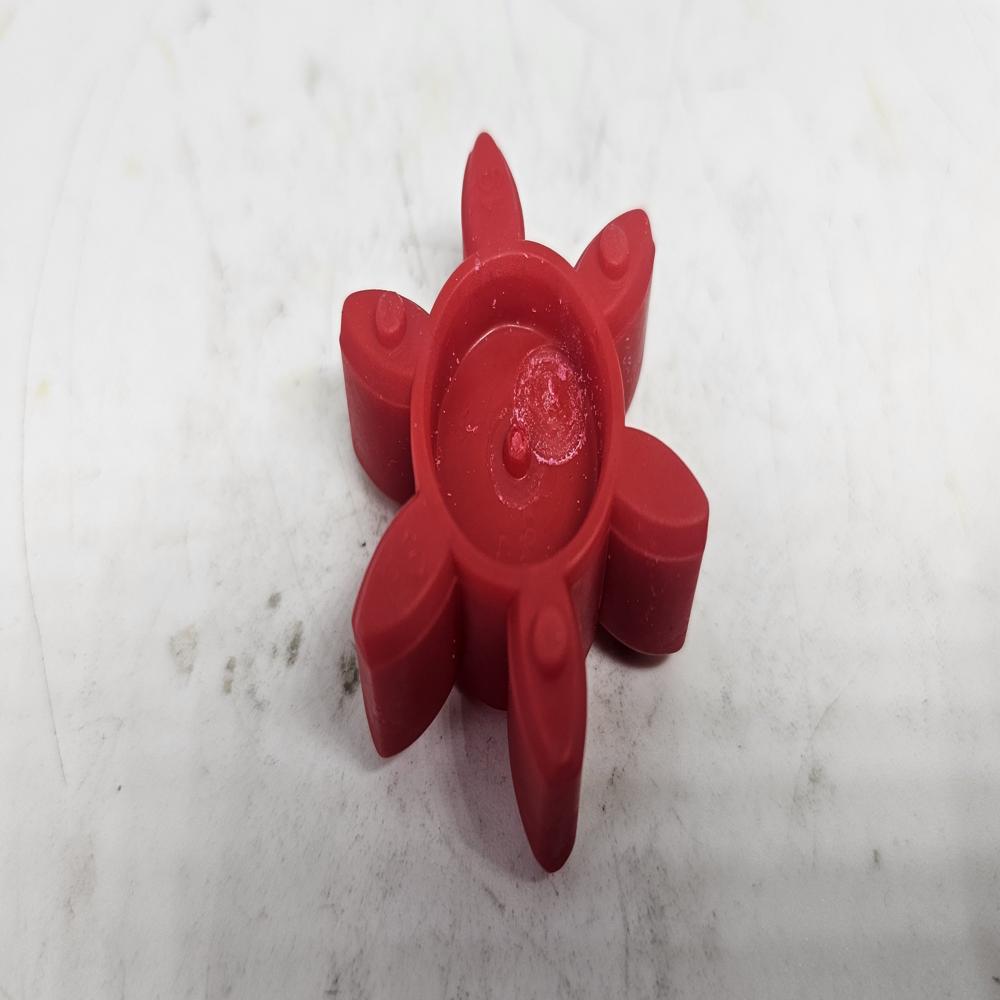
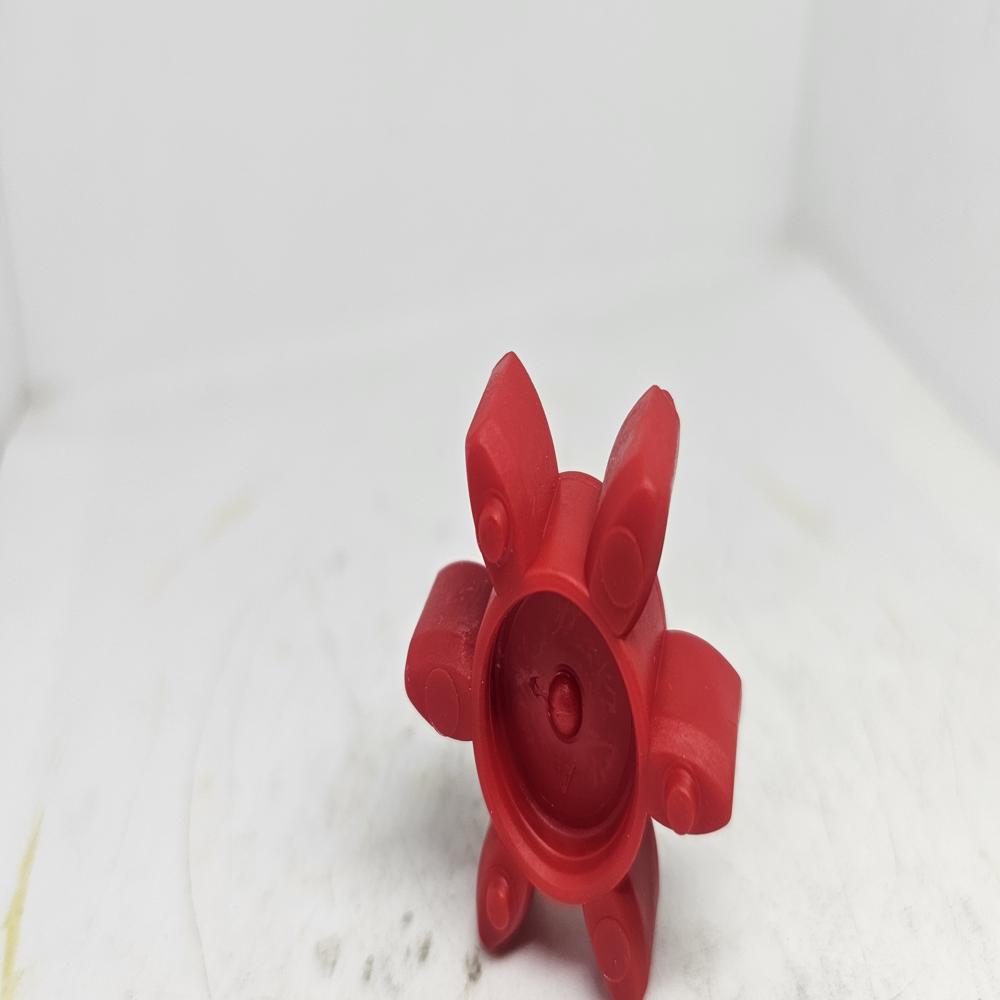
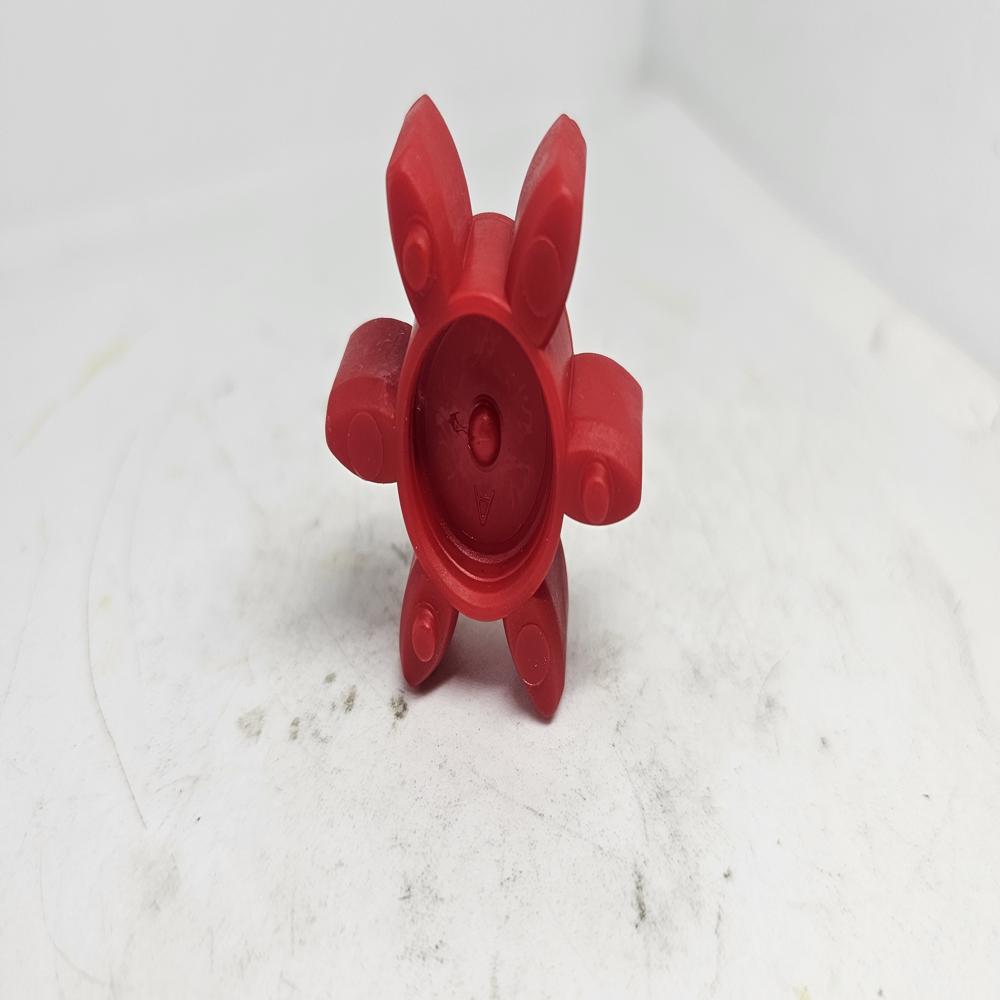
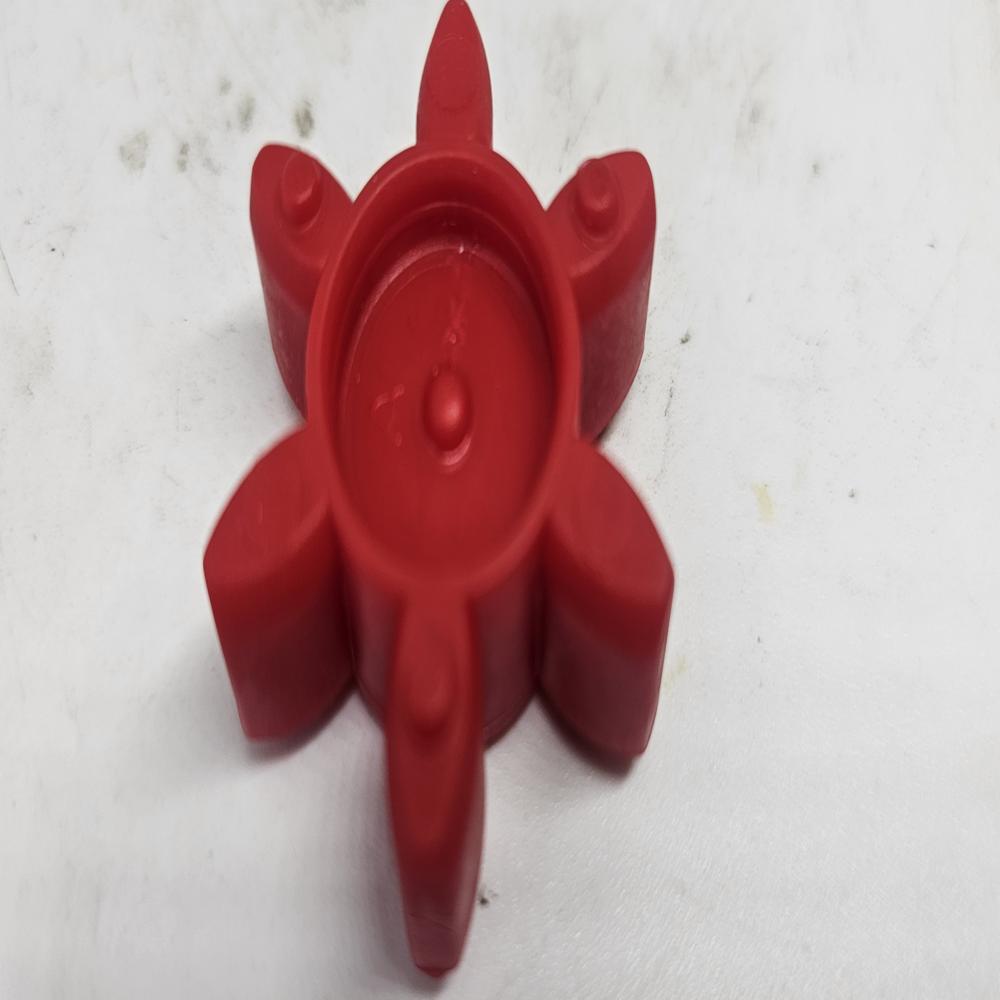
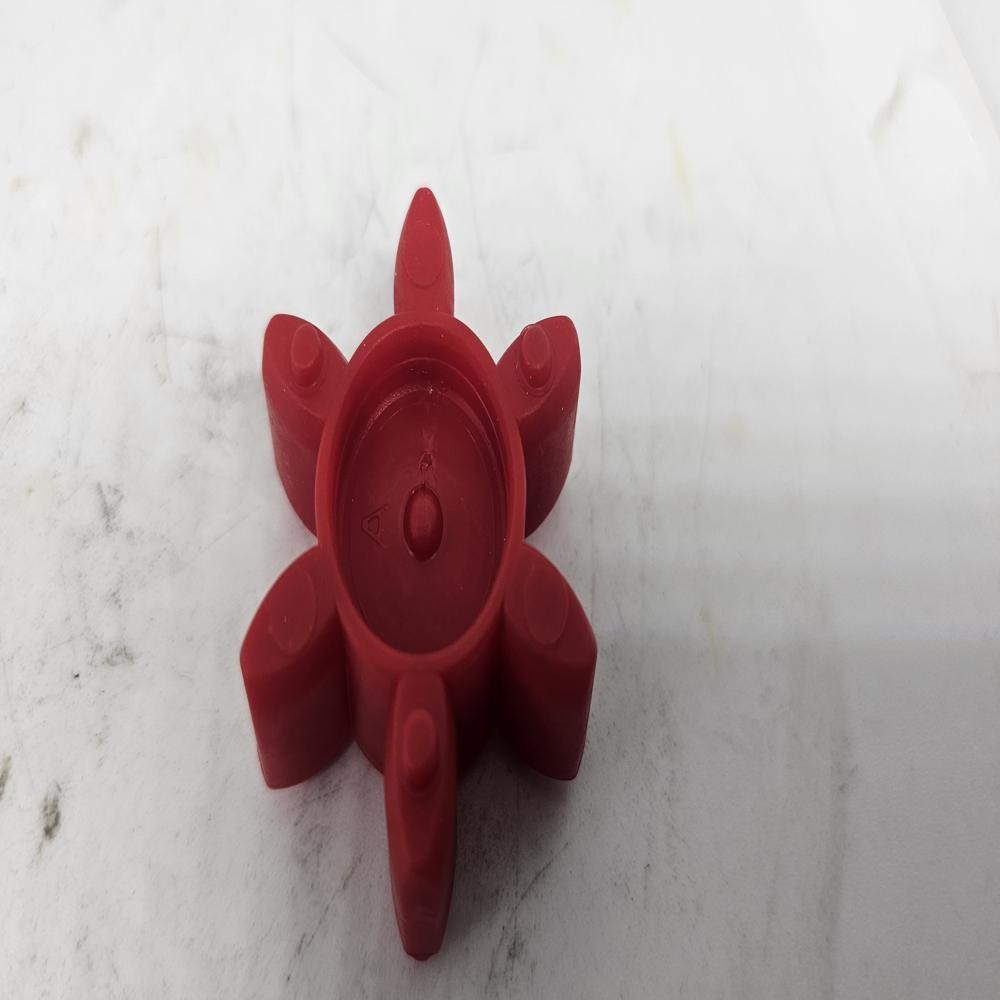
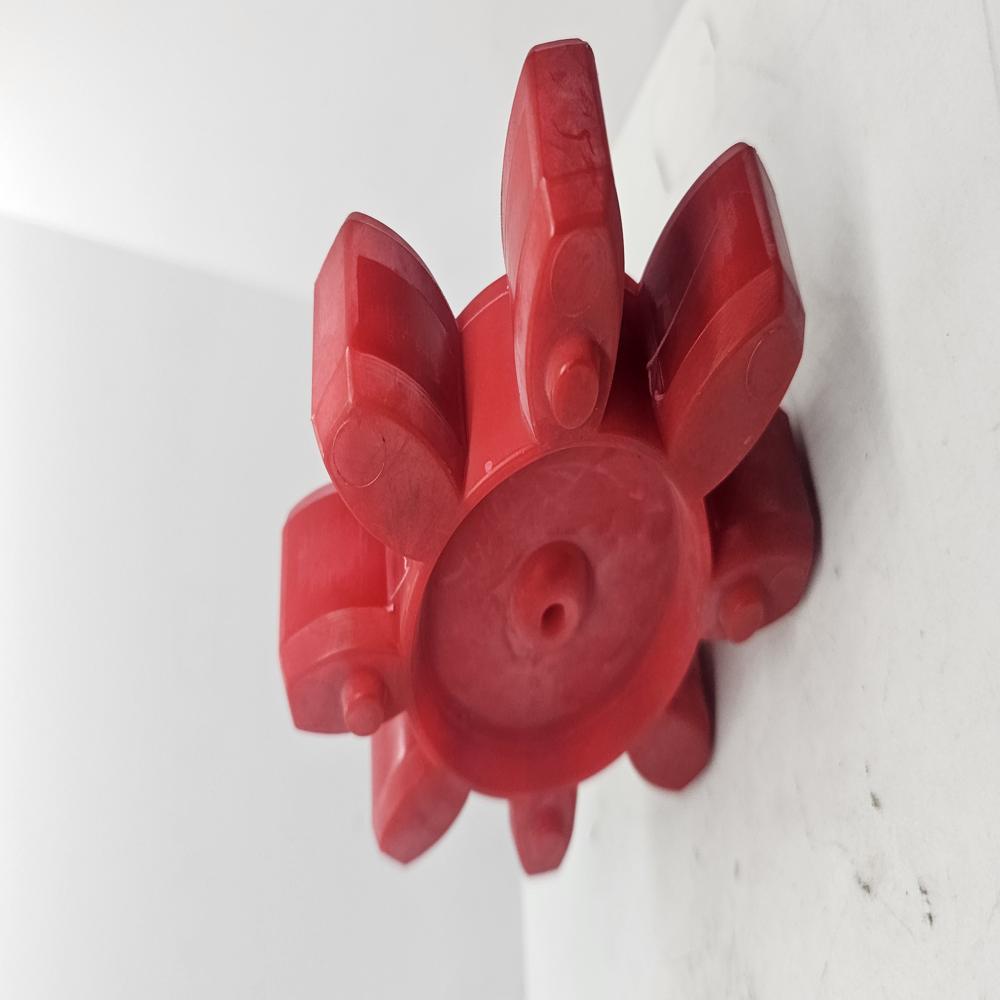
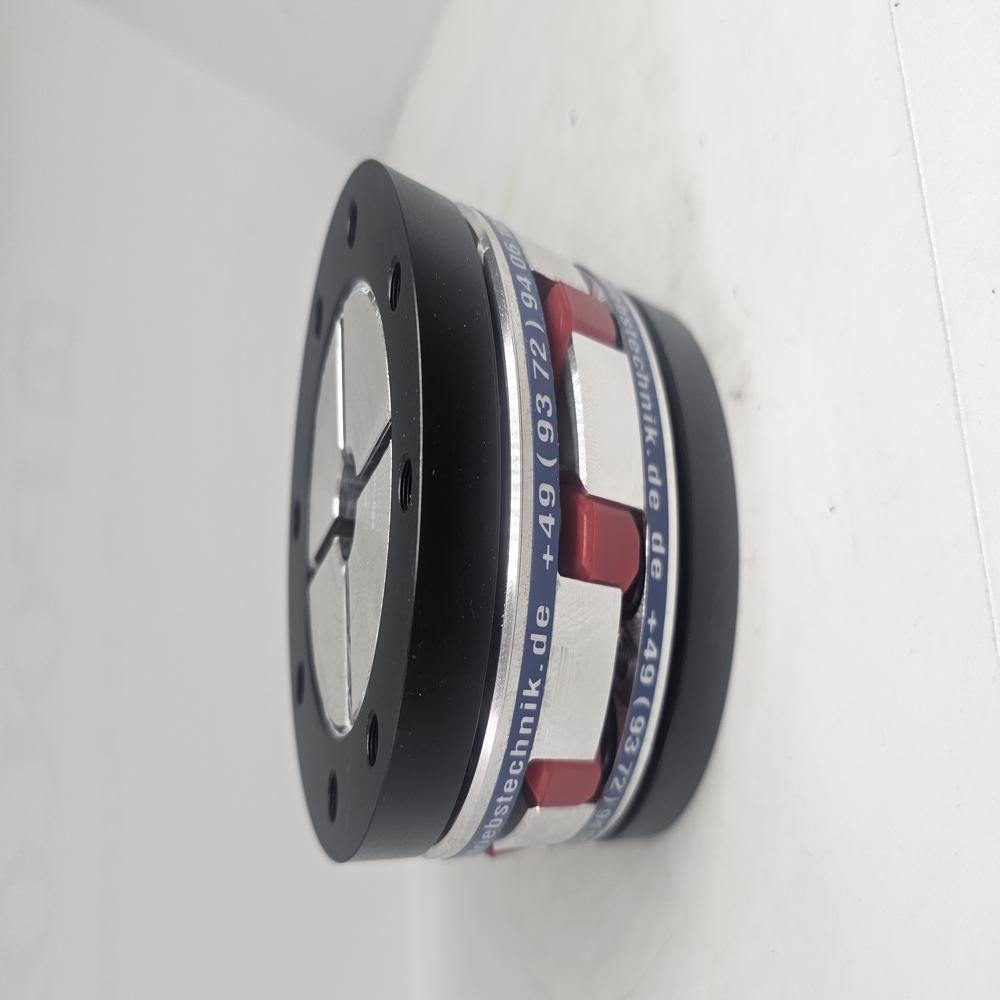
rotolinear systems can supply spider for servo insert couplings. The spider shown in the picture is zk19-98sh.A suitable for 19 size spider couplings and can be supplied from stock at Bangalore
Exceptional Vibration Damping for High-Precision SystemsEngineered for servo couplings in demanding motion control and power transmission systems, these spider elements offer excellent vibration damping and shock absorption. Their unique elastomeric construction minimizes operational noise and prevents component wear, ensuring smoother and more reliable machinery performance.
Customizable and Easy to MaintainDesigned as interchangeable inserts, spider elements are quick to replace between coupling hubs, reducing downtime during maintenance. Supported diameters and grades are easily identified by color for convenience, and both DIN and OEM standards are available to fit a wide range of shaft sizes and couplings.
Reliable Insulation and Wear ResistanceManufactured from non-conductive, robust materials, these spiders provide strong electrical insulation and withstand harsh industrial environments. Polyurethane and TPE options ensure long service life even in high-speed or high-torque applications, making them suitable for diverse Indian manufacturing and automation needs.
FAQ's of SPIDER FOR SERVO COUPLINGS:
Q: How is the spider insert used in servo couplings?
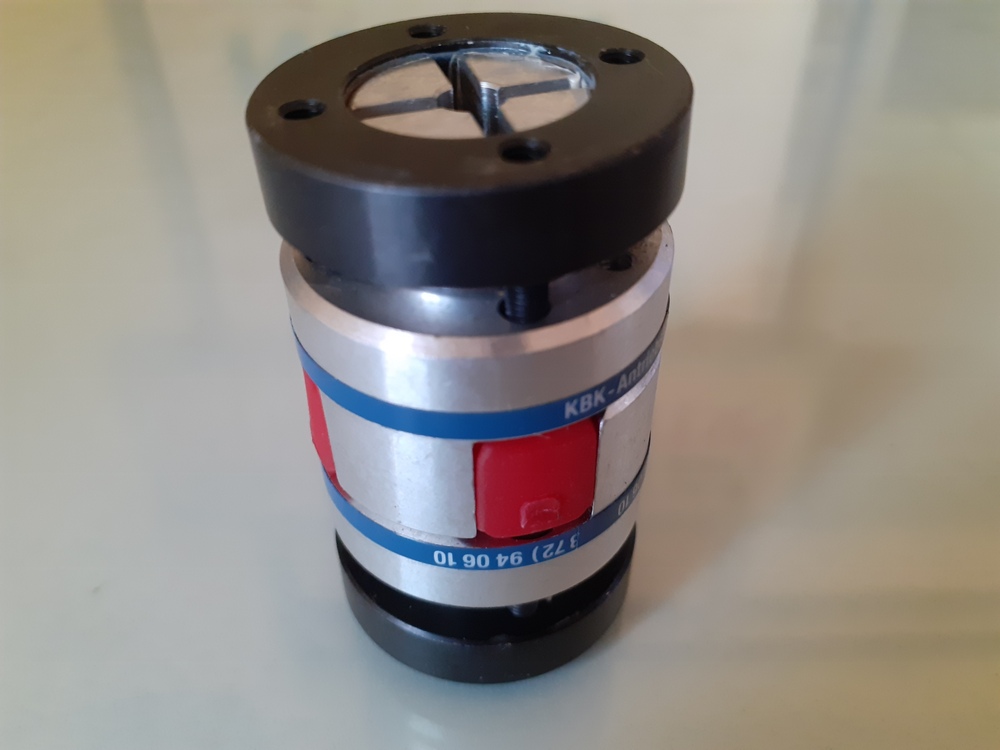
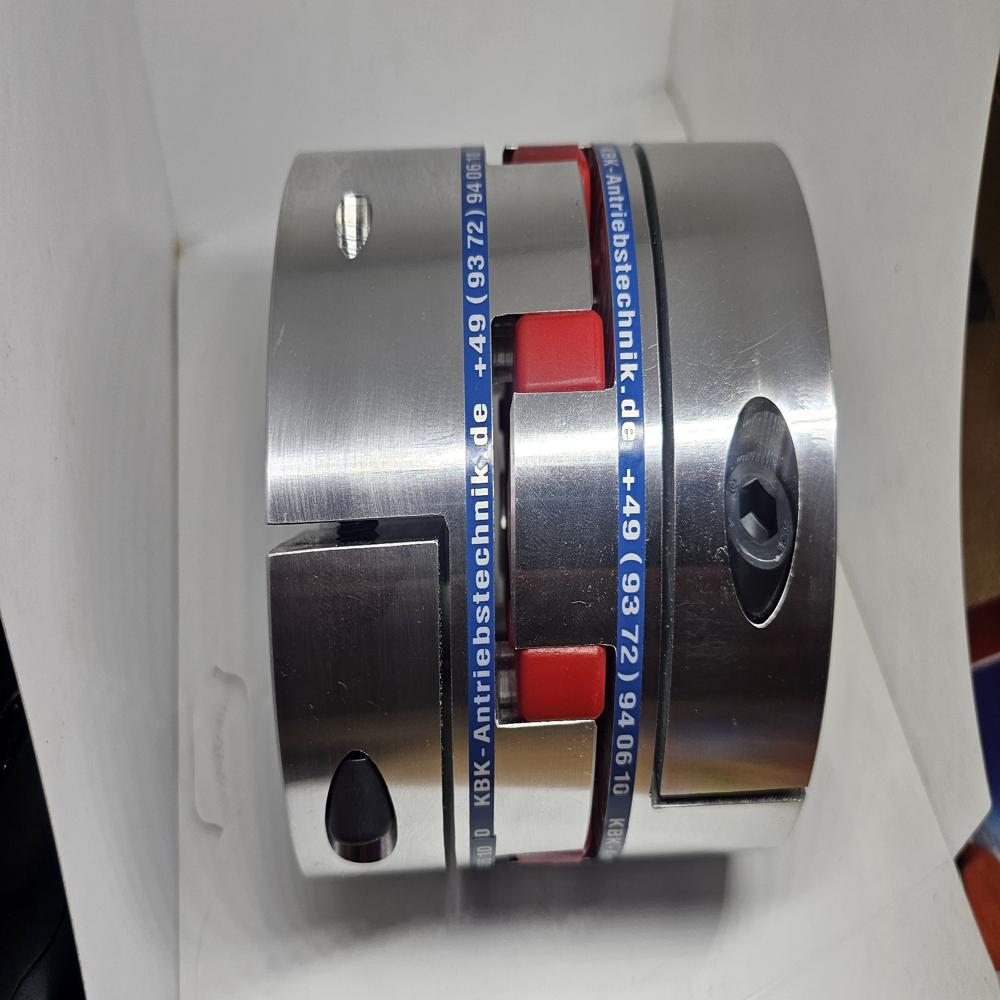
A: The spider insert fits between two coupling hubs, acting as a flexible buffer that connects shafts in servo systems. It dampens vibration and absorbs shocks, ensuring smooth torque transmission without backlash or noise.
Q: What are the benefits of using these spider elements in power transmission applications?
A: These inserts provide excellent vibration damping, high wear resistance, and electrical insulation. Their flexibility enhances equipment life, reduces maintenance needs, and contributes to safe, quiet operation in power transmission.
Q: When should a spider for servo couplings be replaced?
A: Replacement is needed if the insert shows wear, cracks, hardening, or deformation, or during scheduled maintenance to ensure optimal performance. Their design allows quick and easy interchangeability to minimize machine downtime.
Q: Where can spider inserts be applied beyond servo couplings?
A: Besides servo couplings, they are used in various motion control systems, automation setups, and general power transmission assemblies where vibration control and flexible shaft connection are necessary.
Q: What materials are available for spider inserts and how does this affect performance?
A: Spider inserts are typically made from Polyurethane or Thermoplastic Elastomer (TPE). Polyurethane provides higher wear resistance and durability, while TPE offers superior flexibility. The hardness (80-98 Shore A) is chosen based on application requirements.
Q: How does the color of the spider insert indicate its grade?
A: Spider inserts are often color-coded-commonly in yellow, red, or green-to differentiate hardness or material grades. This system allows easy visual identification for maintenance and replacement.






 Send Inquiry